[PLEASE NOTE: For the moment we are publishing this article with no translation in English, so feel free to use your favourite translation aid, or to inquire with us if you need more details: segreteria@unirural.org or +393317539228. In any case, if you are interested in being part of the BMP team for this campaign, we do have instructions in English https://www.mappare.org/en/bmp-en/. For more explanations on the pibinko.org network update policies on translations, please this article].

Dopo le prime sei settimane dal lancio della campagna 2026 della Buiometria Partecipativa (9-1-2026), dopo tre dal lancio dell’app che ci serve per raccogliere le osservazioni (che – ricordiamo- possono essere fatte da grandi e piccini), e dopo il passaggio di lunedì scorso a Roma alla conferenza Mappe di Luce, cominciamo a condividere un po’ di risultati.
E’ prestissimo per trarre conclusioni sui dati raccolti, anche se -avendo iniziato a documentare la cosa nel 2008- un po’ il quadro ce lo abbiamo.
Come nelle feste, quando cominciano le danze ci vuole qualcuno che si butti e inizi ad animare la pista: ringraziamo intanto, nella dozzina di persone che si sono fatte vive manifestando interesse a partecipare dalla Puglia al Piemonte, quelli che hanno materialmente hanno cominciato a trasmettere dati: Angelo (Circolo Legambiente Costa Etrusca), Luciano (CNR IBE), Franco da Polveraia, Federico Giussani, il nostro storico fotografo di paesaggi notturni, e Carlo Madrini (entrambi attualmente in missione in Marocco), Pardo da Livorno. Ecco che cosa hanno combinato, insieme a pibinko (cliccando su un punto si apre una finestra con varie note di campo, oltre al link alla foto scattata sul posto…vedrete anche altri dati “di servizio” ma ricordiamo che l’applicazione e le interfacce sono in versione iniziale):
I rilievi eseguiti in questa fase sono utilissimi per mettere a punto il flusso di raccolta delle informazioni e alcune ipotesi di lavoro. Intanto ci hanno fatto trovare un sacco di luci “nobbùono” ma anche situazioni “bbùono”, come avrebbe detto Andy Luotto. Per il momento vi lasciamo licenza di “clic” e non dilunghiamo in spiegazione verbose, che possiamo dare a chi fosse interessato, vedi sotto per i contatti.
Si prosegue con le osservazioni, e se siete interessati a partecipare alla CBMP2026, trovate le istruzioni alla pagina: https://www.mappare.org/bmp/ (o https://www.mappare.org/en/bmp-en/ per i vostri amici che leggono meglio in inglese).
Ricordiamo che la CBMP2026
- non è una gara (ma potete ricevere premi se partecipate)
- non è un progetto che parte con un finanziamento esterno (ma potete sostenerla)
- non ha direzione scientifica esterna (ma collabora dal 2009 con istituzioni di ricerca in tutto il mondo)
e inoltre che
- Vi può dare crediti formativi (sia negli studi che nella professione), attraverso il programma uni*rural* (https://www.unirural.org)
- Se partecipate in modo non estemporaneo, vi metterà in relazione con diversi personaggi interessanti e/o ganzi e vi farà ripensare al vostro rapporto con la luce (e magari illuminare meglio e risparmiare due lire di bolletta elettrica)
- Il 9 giugno compie 18 anni come progetto, e stiamo organizzando la festa.
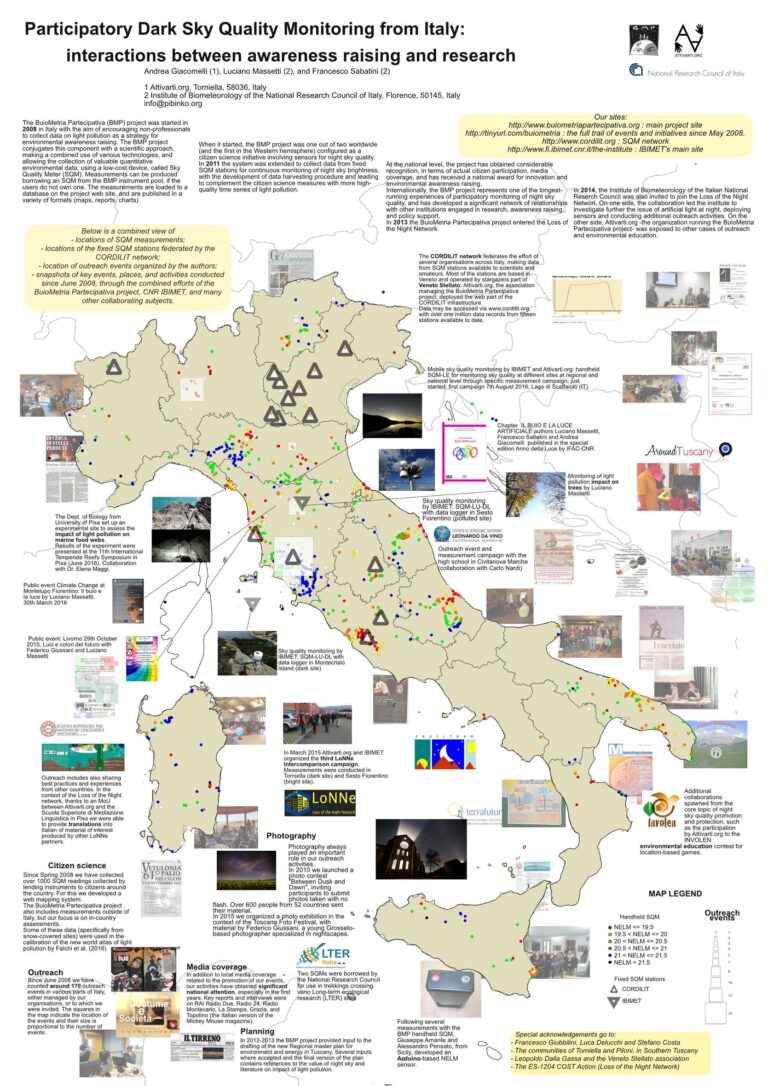
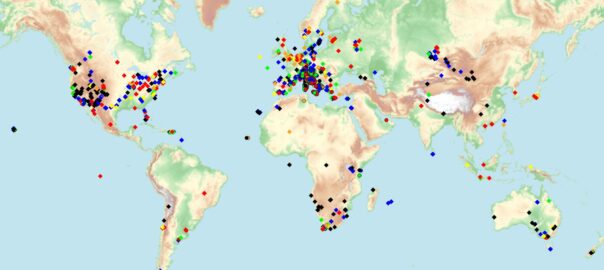
Per chi fosse curioso dei dati raccolti nel periodo 2008-2025
Eccovi la mappa interattiva “storica”. Mano a mano andremo a integrare i dati della campagna 2026 in quella generale.
Per informazioni e booking
segreteria@unirural.org o 3317539228